Beyond 50 Years: Shaping South Australia’s Multicultural Future
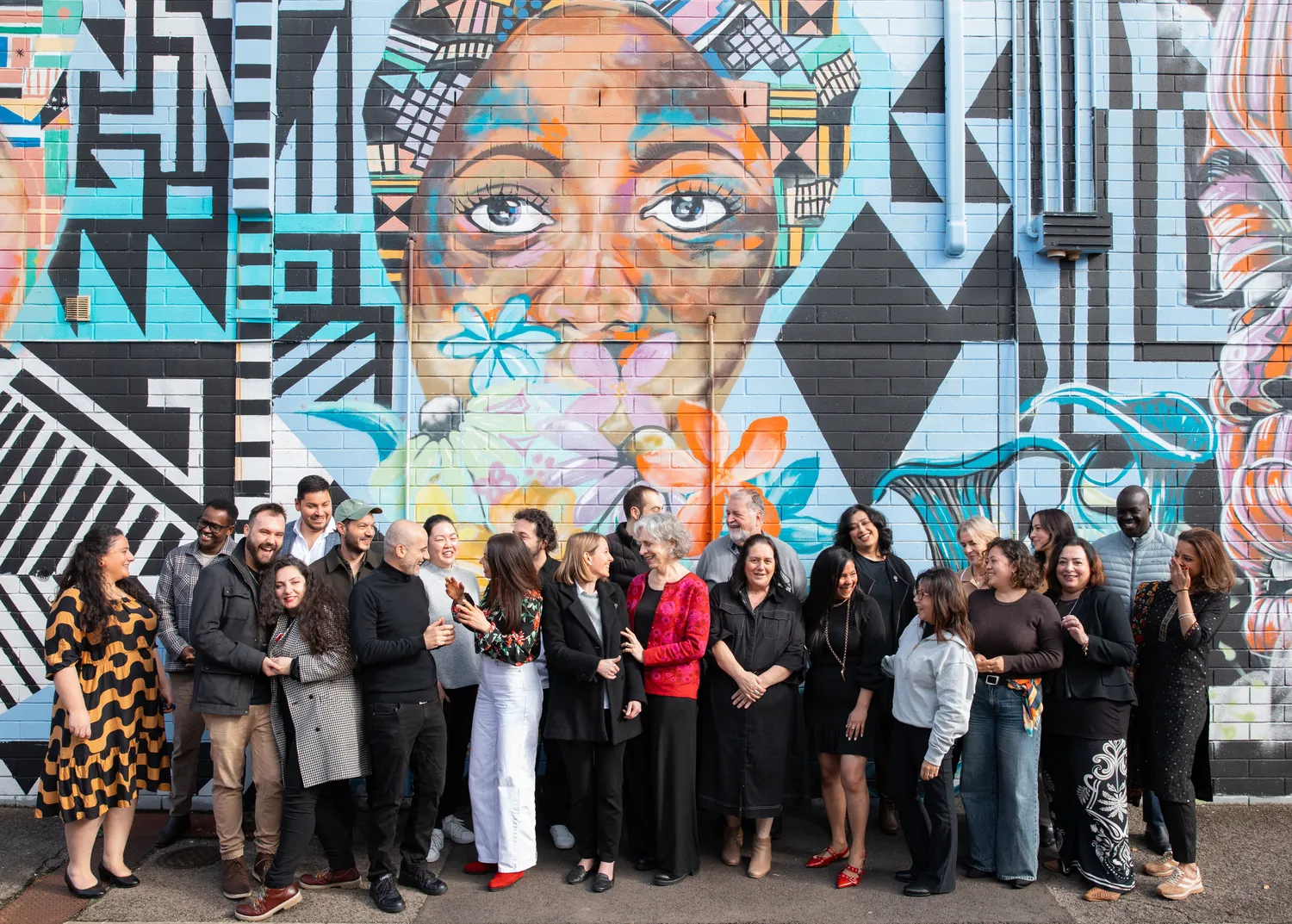
MCCSA is South Australia’s peak multicultural body. Since 1975 we have worked with communities so that every person can take part in the economic, political, social and cultural life of our state.
This is what that work looked like in 2025–26, and our dream for the future.
2025–26 in numbers
28 programs across five themes.
- member organisations
- 139
- visits to our Hub
- 37,500+
- communities used the Hub
- 58
- visits to older people
- 5,580
- participants in culturalQ training
- 978
- carers registered, up from 210 in 2025
- about 350
- passengers on our community buses
- 2,464
- people in 59 focus groups
- 518
- community radio episodes
- 92
- of Connect Access Belong participants increased their social participation
- 81%
- of interns with disability went on to secure employment
- around 80%
- Men’s Health Champions trained across six communities
- 20
Our work in five themes
Connecting, Strengthening and Empowering Communities
Strong communities are built through connection, shared spaces, capable leadership and access to practical support. We work alongside multicultural organisations, families and individuals so communities have the resources, knowledge and opportunities to shape their own futures.
- community organisations supported by our governance program, 2023 to 2026
- 31
- kilometres travelled by our four community minibuses
- 31,559
- articles in three editions of Community Voices magazine
- 52
“I have been attending this group since 2018. I have found friendship and connection and feel more connected to the local community.”
“Before this, if something came through WhatsApp from someone I trusted, I would usually believe it. Now I know I should stop, check where it came from and look at other sources before I share it.”
Multicultural Playgroup
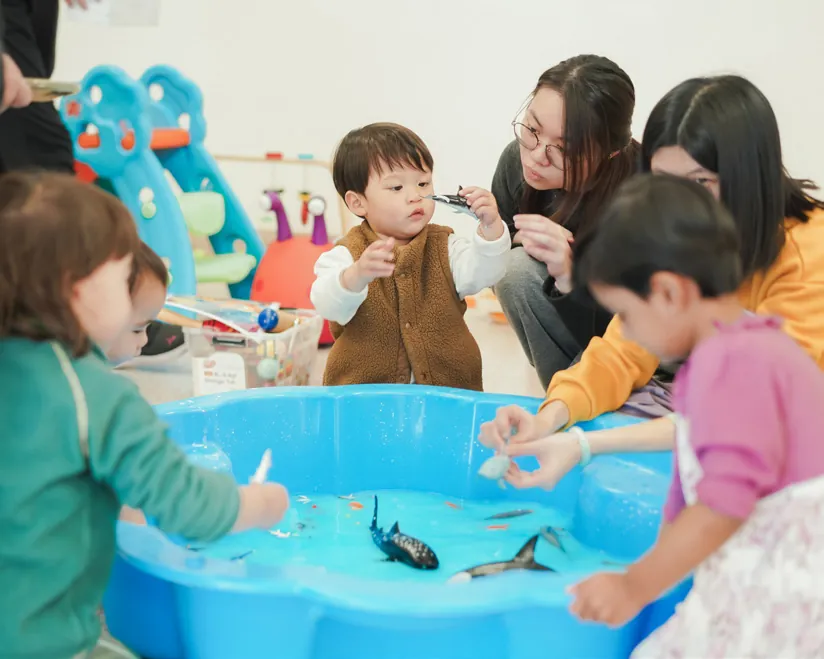
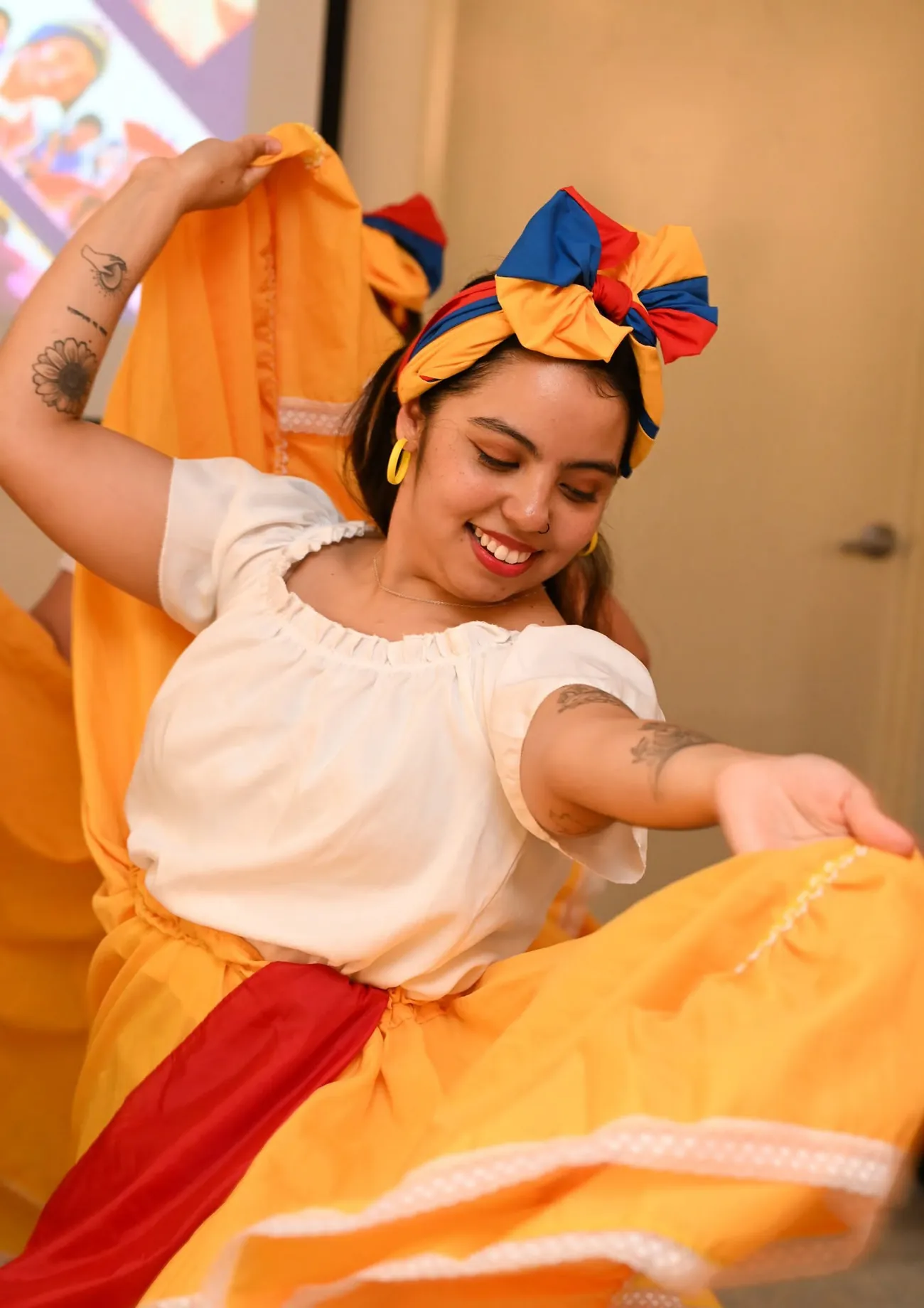
Every week during school terms, families with young children meet to play, make friends and take part in cultural activities.
This year 27 families and 28 children took part, supported by 11 volunteers. At the end of each term, families share food from their cultures.
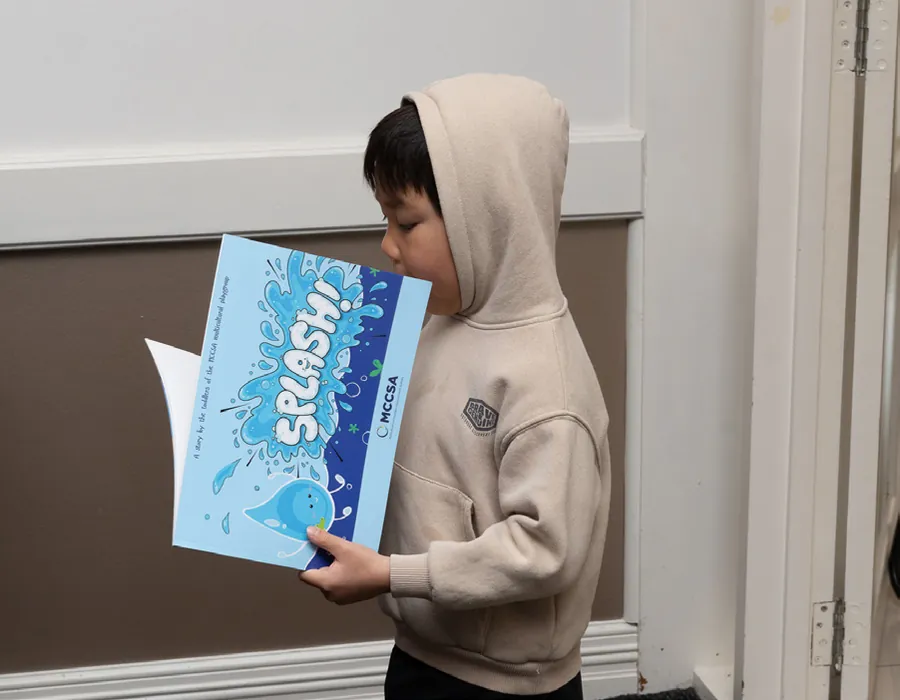
The children also helped make a book. Through water play, storytelling and art, the Splash! project, funded by SA Water, taught them why water matters. With author George Gouzounis, their ideas and artwork became a professionally published storybook, launched at a special event for the children and their families.
All nine programs in this theme
Community Boards and Governance Program31 organisations
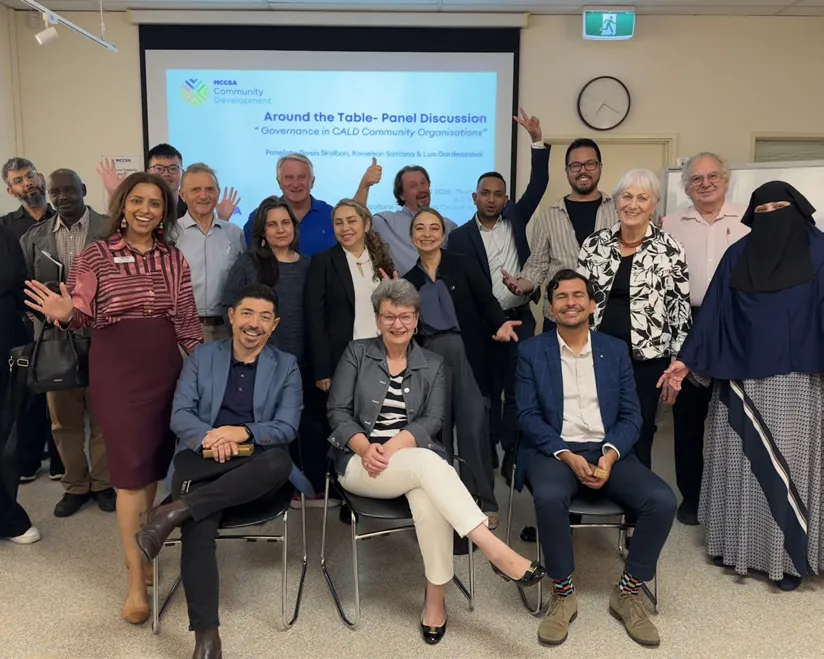
Many multicultural organisations are led by volunteer boards with deep cultural knowledge but limited access to governance training. Over three years this pilot supported 31 community organisations with training in governance, finance, fundraising and AI tools, plus one-on-one support.
In its final year it trialled intensive support for four organisations, working with whole boards. A new, enhanced program starts in 2026, with continued support from the Department of Human Services.
“As Chairperson, I feel confident relaying the information to others, as I now have a better understanding of managing finances…”
Community Connections ProgramMulticultural Coordinating Partner
We are the Multicultural Coordinating Partner for South Australia’s Community Connections Program, helping multicultural communities reach the right support before problems become more complex.
In 2025–26 we strengthened referrals, regional engagement and capacity building across the network. We built new connections with organisations including RAA, Engineers Australia and universities, and expanded our regional work in areas including the Fleurieu Peninsula and Kangaroo Island.
Connection, Culture and Belonging5 community-led groups
We support Russian, Armenian, Hispanic, Korean and Iranian groups, where people keep their language and culture, build friendships and take part in community life. Activities this year ranged from Armenian miniature painting to Korean-language art and Russian literature and writing.
For older people and those who arrived without family or social networks, regular participation helps reduce isolation and build confidence and purpose.
“Every time our parents return from a session, they are in wonderful spirits and are already looking forward to the next meeting. It is heartwarming to see how much joy, friendship and purpose the group brings to their lives.”
Community Bus Service331 trips
Our four minibuses, including one wheelchair-accessible bus, supported 331 trips, carrying 2,464 passengers over 31,559 kilometres across South Australia.
Volunteer drivers make the service possible, giving community organisations affordable and reliable transport to events and activities.
Multicultural Community Hub37,500+ visits
Our Hub at 113 Gilbert Street supported 2,500+ bookings and 37,500+ visits, involving 58 communities and more than 5,300 hours of community use. In any week it may host community meetings, English classes, health programs, governance training, playgroup, consultations and engagement with government.
Multicultural Playgroup9 languages
Weekly sessions during school terms for 27 families and 28 children, most of them toddlers, supported by 11 volunteers. Volunteers completed child safety and cultural intelligence training during the year.
Community Voices92 radio episodes
Three editions of Community Voices magazine carried 52 articles from community organisations and partners. The radio program broadcast 92 episodes hosted by seven member organisations, and the Colombian and Korean communities joined during the year.
Government agencies, service providers and researchers also use both platforms to share information and hear from communities.
“We love contributing to MCCSA Community Voices Magazine. For many international students in our community, they often feel overlooked, underrepresented and unheard.”
Media Literacy Program60 people consulted
We are helping communities build the confidence and skills to question and check the information they see. The first stage listened to 60 people across five sessions, including Mandarin and Arabic-language groups.
Those insights feed a three-stage model: community discovery, Train-the-Trainer education and community-led activities.
Understanding Coercive ControlWith Flinders University
In March 2026 we began a partnership with Flinders University, supported by the Law Foundation of South Australia, to examine how coercive control is experienced, understood and addressed in multicultural communities as the state prepares its new legal response.
All planned focus groups and stakeholder interviews were completed during the year. Early findings indicate that understanding remains limited and that considerable community education will be needed before the legislation is fully operational.
Ageing with Dignity, Connection and Choice
Ageing well means having the information, support and opportunities to stay independent, connected and confident. We work directly with older people and communities, and help aged care providers respond to South Australia’s increasingly diverse population.
- volunteers visited older people through our Aged Care Volunteer Visitors Scheme
- 216
- times we supported aged care providers during the year
- 3,300+
- aged care providers around Australia have adopted the AI guidelines from the national workgroup we chair
- 120+
“The workshop delivered absolutely practical value from start to finish. Within three weeks from attending the session, we were able to launch our own AI projects with the tools that were showcased.”
Aged Care Volunteer Visitors Scheme
Volunteers visit older people in residential aged care and in the community, often in their first language.
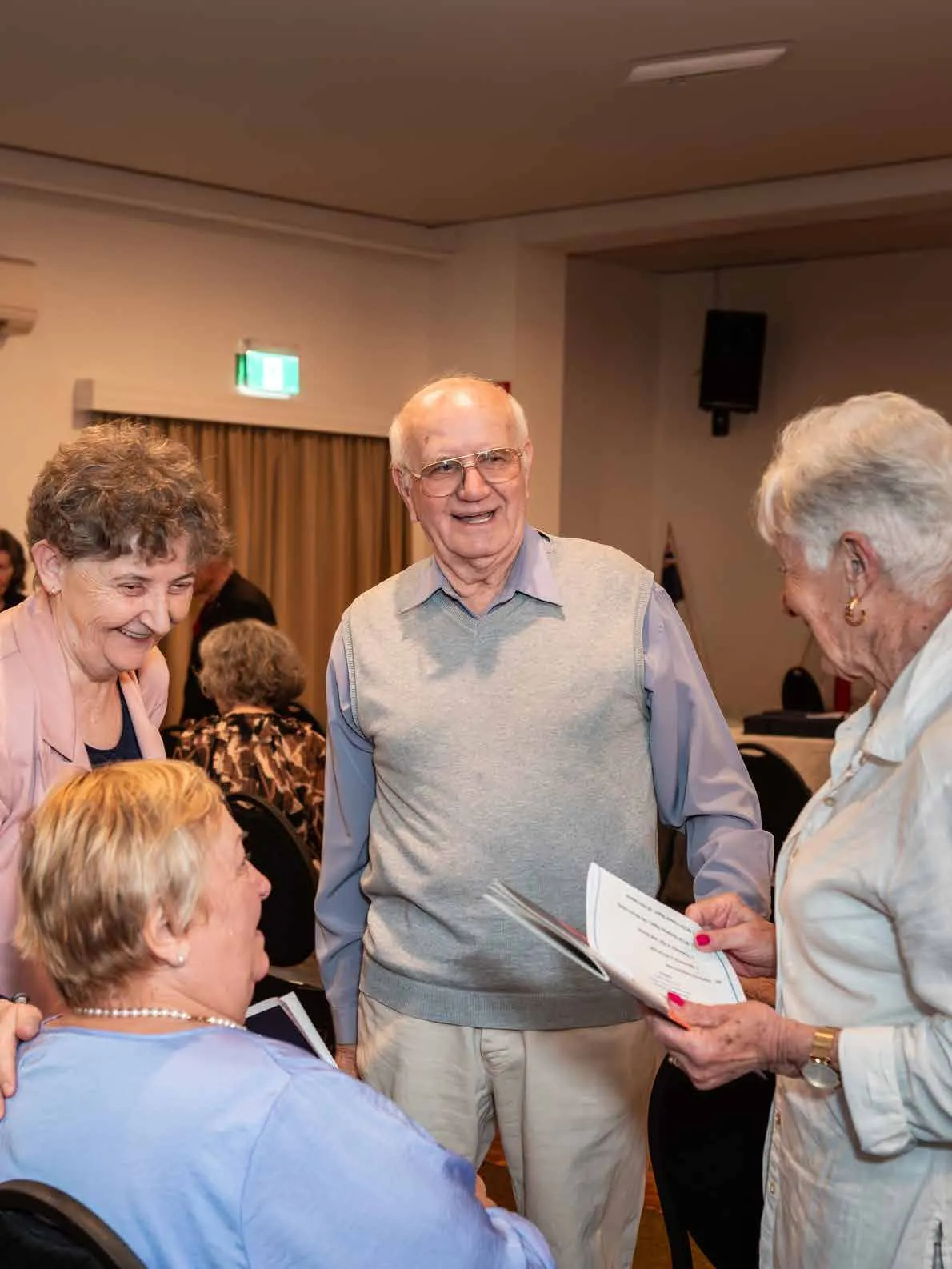
This year 216 volunteers made 5,580 visits to 416 older people. We made 174 new matches between older people and volunteers, and welcomed 80 new volunteers.
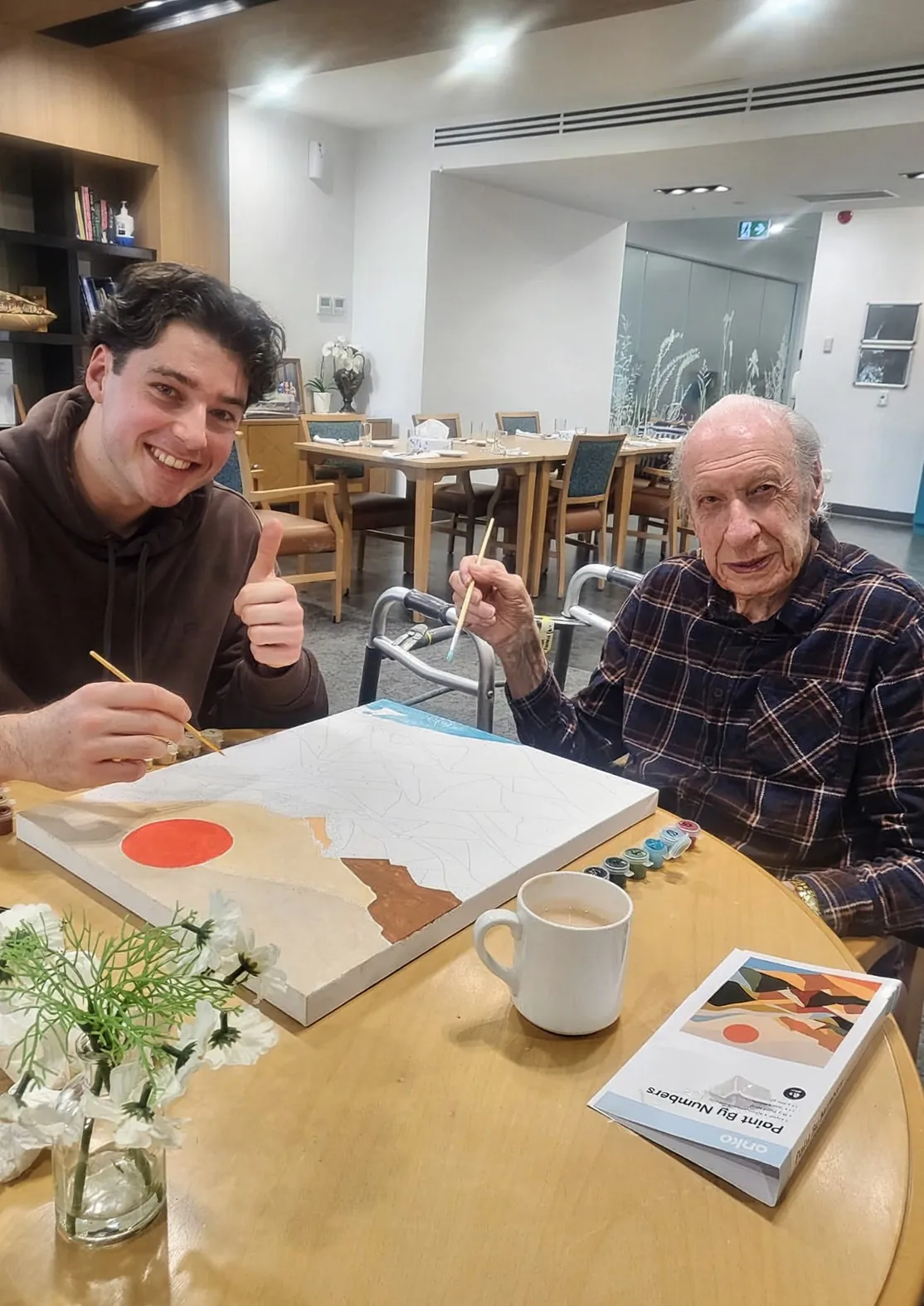
Our volunteers come from many cultural backgrounds. A regular visit gives an older person a familiar face, a chance to share memories and the comfort of knowing someone will come back.
All four programs in this theme
Aged Care Volunteer Visitors Scheme5,580 visits
Volunteers from many cultural backgrounds visit older people across metropolitan Adelaide who live in residential aged care or are socially isolated. Speaking with someone who understands their first language and culture can bring comfort and a strong link to identity and heritage.
This year 216 volunteers made 5,580 visits to 416 older people, across 33 languages. We made 174 new matches and welcomed 80 new volunteers.
Aged Care Sector Support3,300+ times providers supported
Funded by the Australian Government Department of Health, Disability and Ageing, this project helps Commonwealth Home Support Programme providers across Australia understand and respond to the communities they serve.
It was a year of big change, with the new Aged Care Act and the move to Support at Home. We supported providers more than 3,300 times, presented at national forums, and delivered training on engaging a culturally diverse workforce with Ethnic Communities Council of NSW and Ethnic Communities Council of Queensland. A national training series we contributed to reached more than 130 providers.
In June 2026 we held The Art of Ageing Well expo with the City of Salisbury. More than 500 people spoke with over 20 aged care providers, and more than 70 volunteers and jobseekers were connected with work in the sector.
Ageing Well in CALD Communities30+ communities since 2017
Funded by the South Australian Government through the Office for Ageing Well. Trusted community representatives attend expert-led sessions on aged care navigation, elder abuse prevention, rights, online safety, advance care planning and digital literacy. They then share what they learn with older people and families in their communities.
This year we worked with the Brazilian Association of South Australia, the Turkish Association of South Australia and the Czechoslovak Club of South Australia. Since the project began in 2017 we have partnered with more than 30 communities.
AI Adoption in Aged Care120+ providers using the guidelines
We chair the AI Adoption in Aged Care Workgroup, a national group of sector support organisations helping aged care providers use AI and technology well.
The Workgroup’s Guidelines for the Responsible Use of Generative Artificial Intelligence in Aged Care have been adopted by more than 120 providers around Australia. Its toolkit, Integrating AI into Support at Home, helps providers work out where AI can help. Both are free at aiadoption.au. We also delivered four national webinars and hands-on sessions in South Australia and Victoria.
Improving Health, Wellbeing and Care
Good health depends on people being able to understand, trust and use the services available to them. Through community-led education, prevention, connection and advocacy, we work to remove barriers to care and help health systems become more accessible and inclusive.
- attendances at Men’s Council and Local Drug Action Team events and sessions
- 1,000+
- participants who were asked felt more comfortable seeking support from local health services
- more than 9 in 10
- young people from 20 cultural backgrounds supported by Multicultural Reconnect
- 49
“I am very satisfied with the Kids Hub and the service. I am happy with what we talk about and what we have been doing in our sessions. I have found it very useful to be able to talk to someone from a diverse background.”
“Reconnect helped me do things I couldn’t do on my own. The worker helped me by speaking up for me when I felt I wasn’t heard.”
Taking Care of Me
A two-year pilot helping multicultural men understand their health and seek help early.
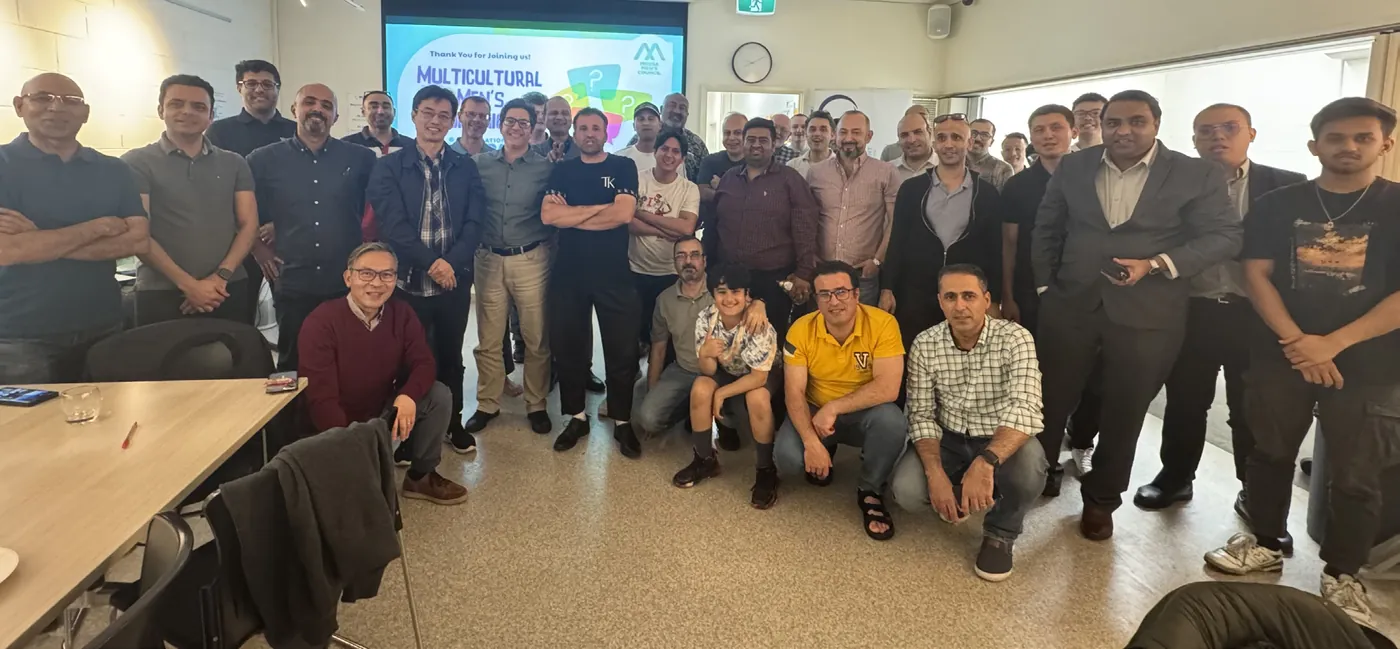
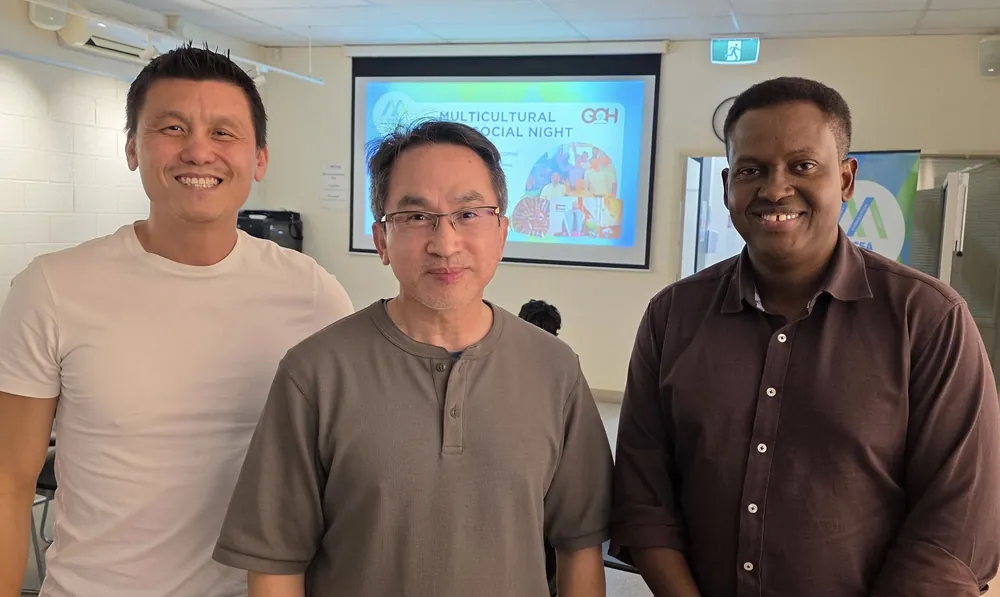
Six communities lead the work with us. Each chose trusted Men’s Health Champions, and in December 2025 we trained 20 of them in a program adapted with Professor Gary Wittert. By the end of the training, every Champion agreed they had the knowledge and confidence to support men’s health. Beforehand, agreement had been as low as 70 per cent.
Minister Chris Picton launched the project on 6 February 2026. Since then the Champions have run 24 sessions and activities in their own communities, from health talks to group walks, usually with 10 to 20 men each time.
The project is co-funded by Preventive Health SA and The Hospital Research Foundation Group, and delivered with Adelaide University.
“This program has changed my life considerably. I now know how to advocate for myself and make the right lifestyle choices.”
All eight programs in this theme
Addressing Gaps in Health Literacy100+ people consulted
A two-year project funded by Preventive Health SA. In its first year we listened to more than 100 community members, including skilled migrants, refugees, international students and parents of young children. They named navigating the health system, language, digital exclusion and stigma around mental health as key barriers.
What we heard is shaping a Wellbeing Navigation Toolkit for newly arrived migrants. We also adapted diabetes resources with Diabetes SA for Arabic, Chinese and Hindi-speaking communities, ran a pilot with the Child and Family Health Service for families at our Playgroup, and wrote an Equity by Design Position Statement that we use in our advocacy.
“There isn’t enough health information shared at university. I have health insurance but I don’t know what it covers so I don’t use it.”
Medicare Mental Health Kids Hubs66 service contacts
We are part of the consortium delivering the Medicare Mental Health Kids Hubs across metropolitan Adelaide. The consortium is led by Sonder, with KWY Aboriginal Corporation and Kudos Services. The Hubs give early mental health and wellbeing support to children aged 0 to 12 and their families.
The Southern Adelaide Kids Hub opened in December 2025, with services in Marion and Aldinga. The Northern Adelaide Kids Hub opened in June 2026 at Elizabeth Vale. Our two practitioners, one in each Hub, support multicultural families and build links with community leaders, associations, faith groups and schools. They have recorded 66 service contacts with 45 clients.
Men’s Council and the Multicultural Communities Local Drug Action Team1,000+ attendances
The Men’s Council gives men from culturally and linguistically diverse communities a stronger voice on their health and wellbeing. It turns that voice into action through the Multicultural Communities Local Drug Action Team, delivered with the Alcohol and Drug Foundation.
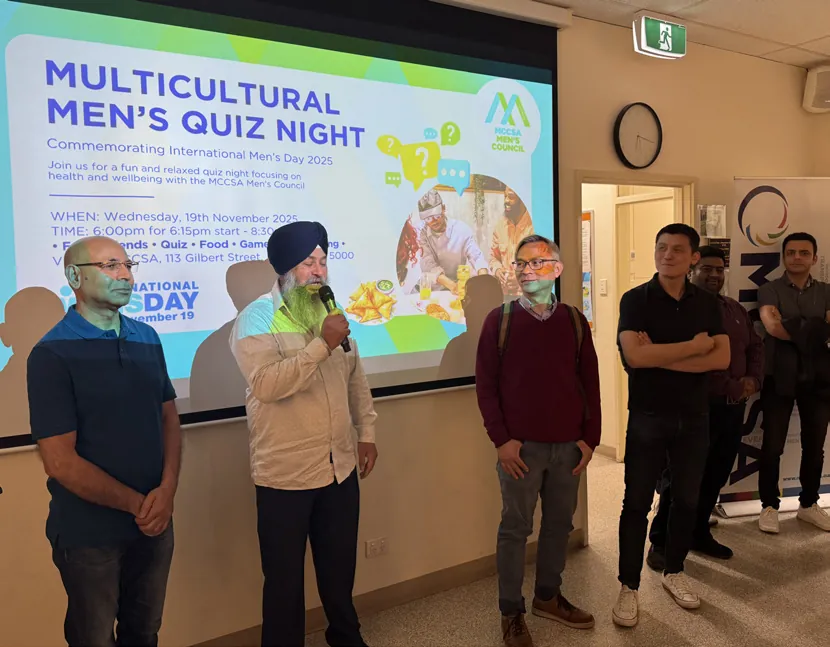
This year there were more than 35 events and sessions, with more than 1,000 attendances. They included social nights and family fun days with Cancer Council SA and BreastScreen SA, a 20-week futsal program, six quiz nights and a soccer carnival for 100 people. Where participants were asked, more than nine in ten felt more comfortable seeking support from local health services after taking part.
The Fay Fuller Foundation chose MCCSA for its Strategic Partnership 2024–26, which included our Connection is Prevention report.
Mind Care DigitalWith La Trobe University
A collaboration with La Trobe University, running from 2025 to 2029, to improve access to dementia prevention information and support for culturally and linguistically diverse communities in South Australia.
This year we helped culturally adapt the project, supported two community workshops and took part in the Advisory Group. We will support participant recruitment through 2026 and 2027.
Multicultural Reconnect49 young people
A free, voluntary and confidential service for young people aged 12 to 18 from culturally and linguistically diverse backgrounds who are experiencing or at risk of homelessness, family conflict or school disengagement. We help with accommodation and money, and offer counselling, family mediation and referrals to specialist services.
This year we supported 49 young people aged 13 to 18, 31 young women and 18 young men, from 20 cultural backgrounds.
Supporting Multicultural Carersabout 350 carers
Through our partnership with Carers SA, we deliver Carer Gateway services to carers from multicultural communities, with particular expertise in supporting Arabic-speaking communities. Support can include coaching, counselling, peer support, emergency respite and practical help such as cleaning, gardening and transport.
By June 2026 about 350 carers were registered with us, up from 210 in 2025, an increase of around 67%. Our two Carer Gateway staff met or exceeded all contracted targets.
“Hi Samer, I wanted to thank you for all the support you have given us, and the quality work provided from your end. A man came out today to do mums garden, she said he went above and beyond and did an amazing job, mum asked if he could be the one that comes out the next few times to do the gardens again, I’ve never heard mum talk so highly of someone like she did, thank you.”
Women’s CouncilWomen’s health work since 2018
The Women’s Council gives women from culturally and linguistically diverse backgrounds a trusted forum to raise issues, share experiences and connect with information and services. What we hear informs our advocacy with government and service providers.
This year the Council focused on women’s health, including menopause, mental health and wellbeing, and on domestic and family violence. We worked with community and faith leaders so they can recognise domestic and family violence, respond well and know where to find specialist support.
Taking Care of Me20 Health Champions
A two-year pilot to improve health literacy and early help-seeking among multicultural men. It is co-funded by Preventive Health SA and The Hospital Research Foundation Group, and delivered with Adelaide University.
Six communities co-lead the work: the Men’s Arabic Speaking Association, the Association of the Burundian Community of SA, the FARDA TV CALD Network, the Latin American Society of SA, the South Australian Chinese Community Language School and Australian Sikh Support SA. Twenty Men’s Health Champions were trained, and in June more than 60 people came to the Healthy Men, Connected Communities event with the City of Charles Sturt.
“Before, I didn’t know how to speak up about my own health. Now I make better choices each day, and I feel confident to look after myself.”
Creating Pathways to Inclusion and Opportunity
We work to remove the barriers that stop people from taking part. These programs create practical pathways into community life, work, learning and social connection, so people can build confidence, use their skills and pursue their own goals.
- people with disability and family members from 23 cultural backgrounds supported by Connect Access Belong
- 78
- members of the Multicultural Disability Inclusion Network, launched in September 2025
- 91
- Speak My Language radio broadcasts in 10 languages on 5EBI FM
- 40
“My granddaughter is four years old and speaks German, English and Spanish. I want to improve my English so I can read to her, talk with her and communicate with her as she grows.”
“Sometimes, a small step from volunteering, to joining a dance class or trying a new sport, can create meaningful connections, build confidence and open new possibilities.”
Opening Doors: the BEC project
For three and a half years, Building Employer Confidence and Inclusion in Disability paired internships for people with disability with practical support for employers.
Funded by the Australian Government Department of Social Services, the project focused on people with disability from culturally and linguistically diverse backgrounds and women with disability. It delivered 30 internships, and around 80% of interns went on to secure employment.
In the past year alone there were 14 internships with 8 employers, 6 culturalQ sessions and mentoring for 12 workplace mentors. Employers adapted workplaces, improved physical and digital accessibility and reviewed how they recruit and train.
“Gaining confidence as a Data Analyst was a huge milestone — as a recent graduate, and even more so as an immigrant and a person living with a disability. It reinforced my belief that success is possible against all odds.”
All five programs in this theme
Sew to GrowDesigned for 24 learners
Sew to Grow uses sewing as a pathway back into learning for adults from migrant and refugee backgrounds. Reading patterns builds literacy, measuring fabric builds numeracy, working together builds communication, and finding tutorials and prices online builds digital skills.
The program was designed for 24 learners, with a qualified trainer and bilingual support. One participant, Stella, was connected through Community Connections with partners in the Adelaide Hills, where her idea for a Lunar New Year celebration became a community event for around 40 people.
Learning English, Building Confidence10 to 15 people a week
Each week an average of 10 to 15 people from different countries practise conversational English with Sylvia and Bill, our volunteer tutors. The classes are informal, so people can practise without fear of making mistakes and learn at their own pace. Many make friends along the way.
Connect Access Belong81% more socially active
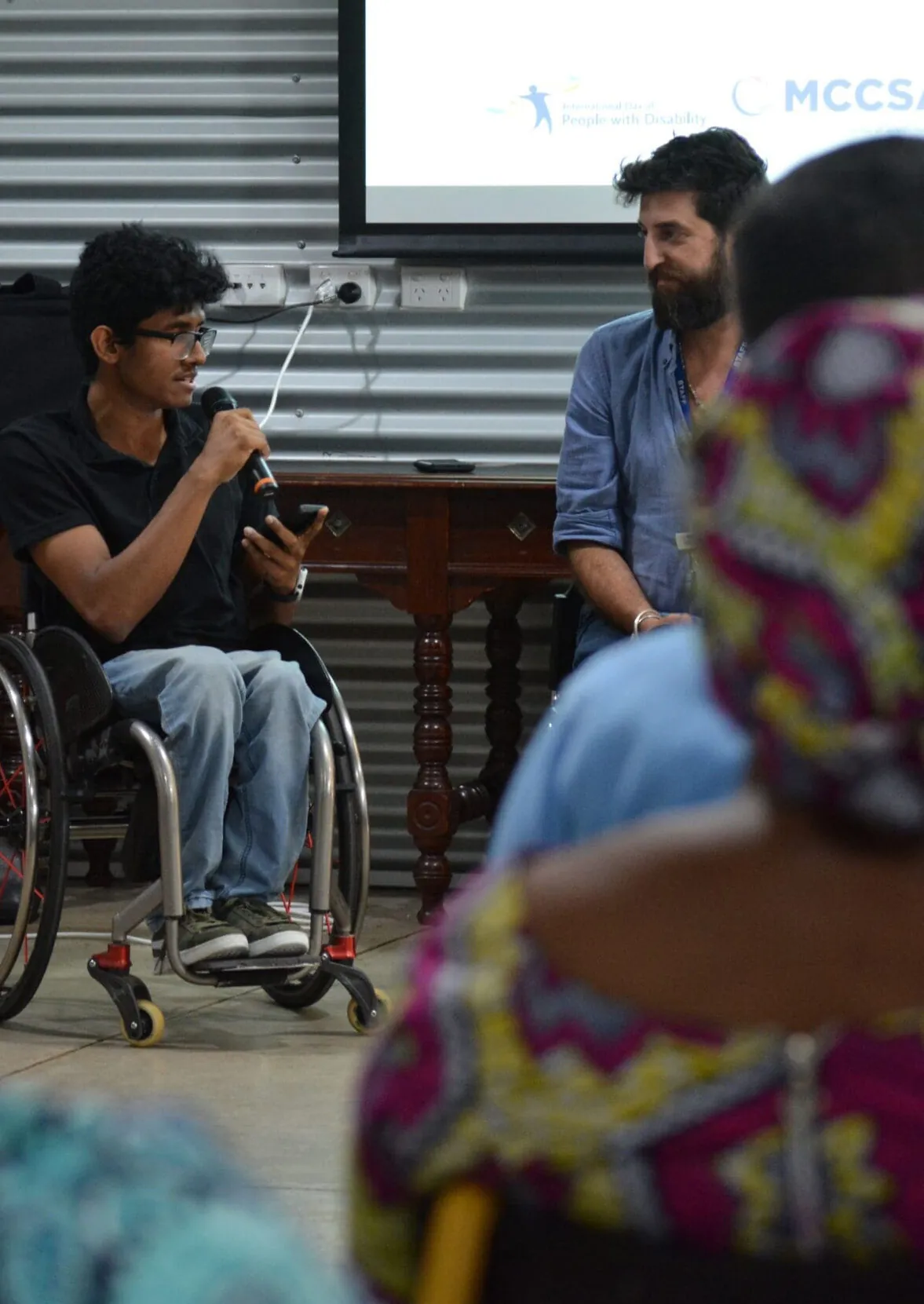
Community Connectors, many with lived experience of disability and cultural diversity, work with each person to find activities that suit their goals. This year the project supported 78 people with disability and family members from 23 cultural backgrounds. They connected with more than 60 community activities, from swimming and inclusive football to sewing, painting and cooking groups.
Across the project, 81% of participants increased their social participation. Connectors also made more than 500 referrals, including to other services people needed. One Venezuelan participant joined a Spanish-speaking sewing group, made friends and has become a group leader, teaching sewing to others.
The Multicultural Disability Inclusion Network, launched in September 2025, has grown to 91 members. Connect Access Belong has funding to continue for another year.
Opening Doors: The BEC Project30 internships
Funded by the Australian Government Department of Social Services. Over three and a half years the project delivered 30 internships for people with disability from culturally and linguistically diverse backgrounds and women with disability. Around 80% of interns went on to secure employment.
The project ended this year. In several workplaces, the changes it started are now part of how the organisation approaches inclusion.
Speak My Language40 radio broadcasts
Since 2021 we have worked with Ethnic Communities Council of NSW on Speak My Language, a national disability inclusion program. People with disability share stories and advice about accessible places, activities and opportunities.
This year 40 broadcasts went to air on 5EBI FM in 10 languages, and four video podcasts were made in Sinhalese and Spanish. Podcasts in 24 languages are on our website.
Building More Inclusive Organisations and Decisions
Organisations need to understand and respond to the communities they serve. Through culturalQ and The New Mainstream, we build that capability and make sure diverse experiences inform policies, services, products and decisions.
- organisations supported through culturalQ
- 60+
- languages our research team works in
- 20+
“So many concepts and practical ways to shift from cultural awareness to cultural intelligence.”
“This is very important. It should be conducted in all councils in SA and must be attended by all staff and officials.”
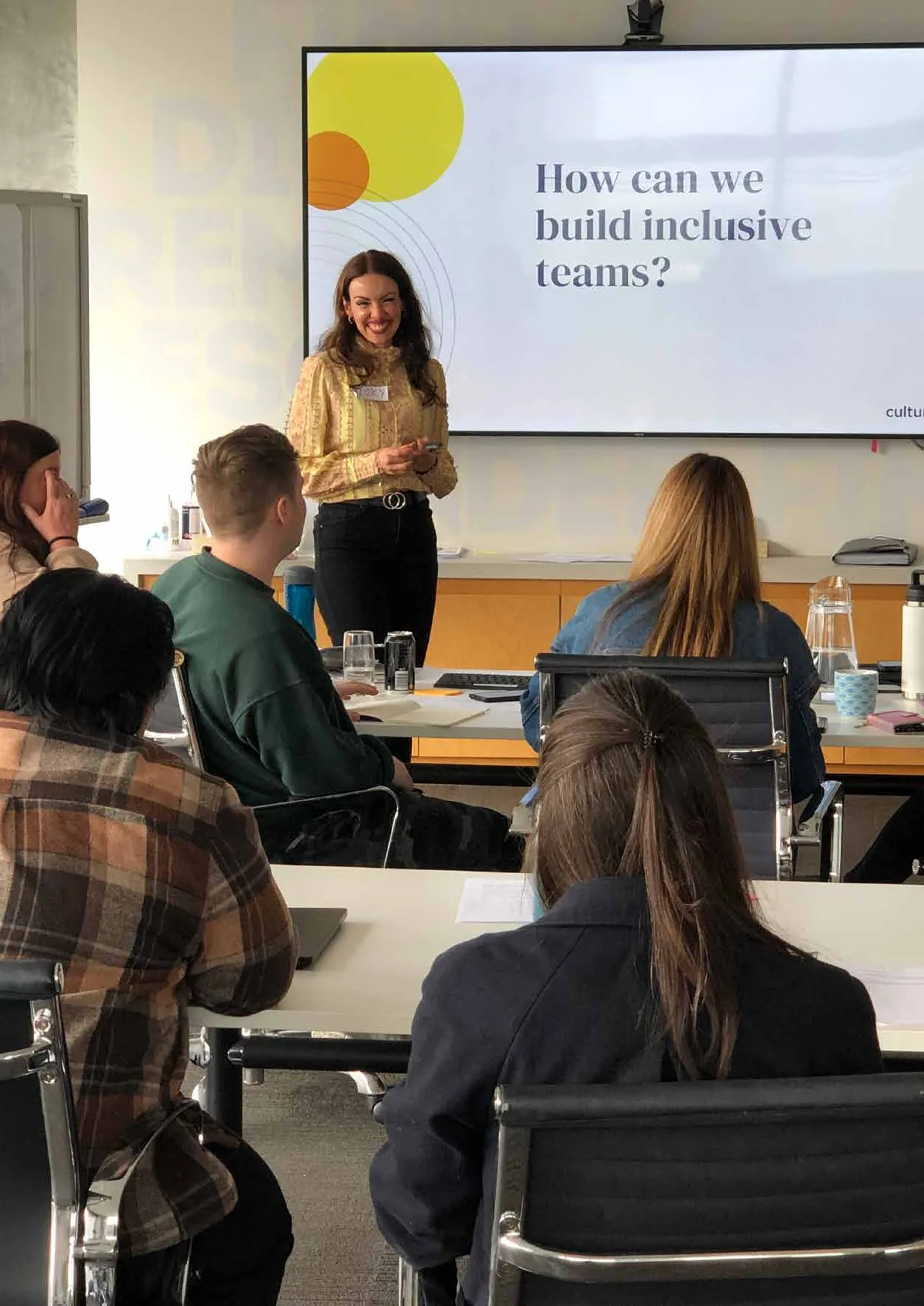
culturalQ: from awareness to action
culturalQ helps people and organisations build the skills to work well across cultures.
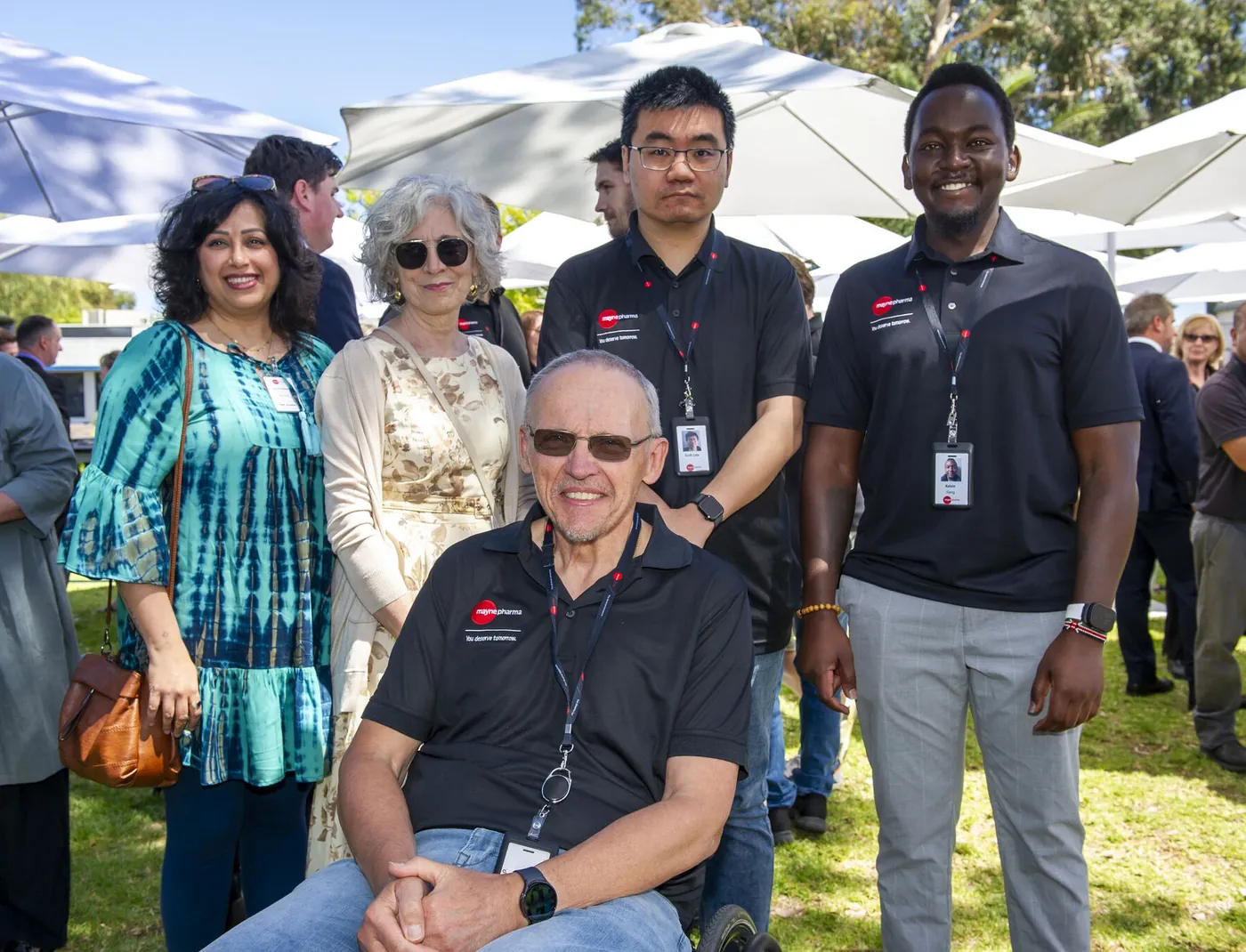
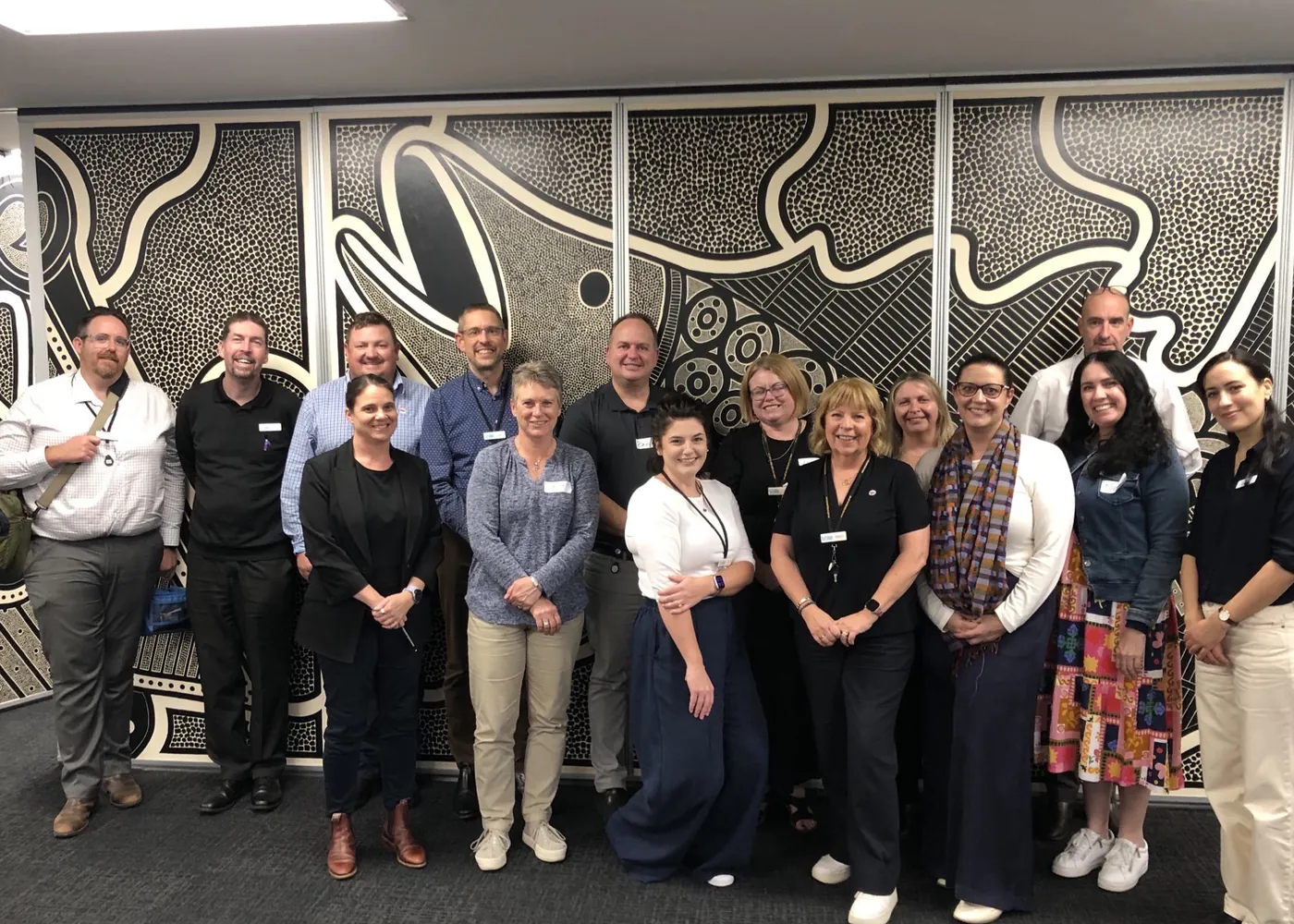
This year 978 people took part, from government, health, justice, local government, education, community services, aged care and industry. We worked with organisations such as the Attorney-General’s Department, Preventive Health SA, Mayne Pharma and the Department for Correctional Services, and continued to deliver training for the Multicultural South Australia Ambassador Program.
Cultural intelligence training builds people’s skills to communicate across difference. Our work on organisational cultural competence helps organisations build inclusion into their systems, policies and everyday operations.
Both programs in this theme
culturalQ978 participants
Cultural intelligence and cultural competence training for organisations across government, health, justice, local government, education, community services, aged care and industry. This year 978 people took part and we supported more than 60 organisations.
The New Mainstream59 focus groups
Our multicultural market research and community engagement service. It helps businesses, government agencies and researchers hear from people who are often missing from standard research panels.
This year we ran 59 focus groups with 518 people, on health, insurance, ageing, energy and financial services. Most participants were recruited through community networks, and the team works in more than 20 languages.
In their own words
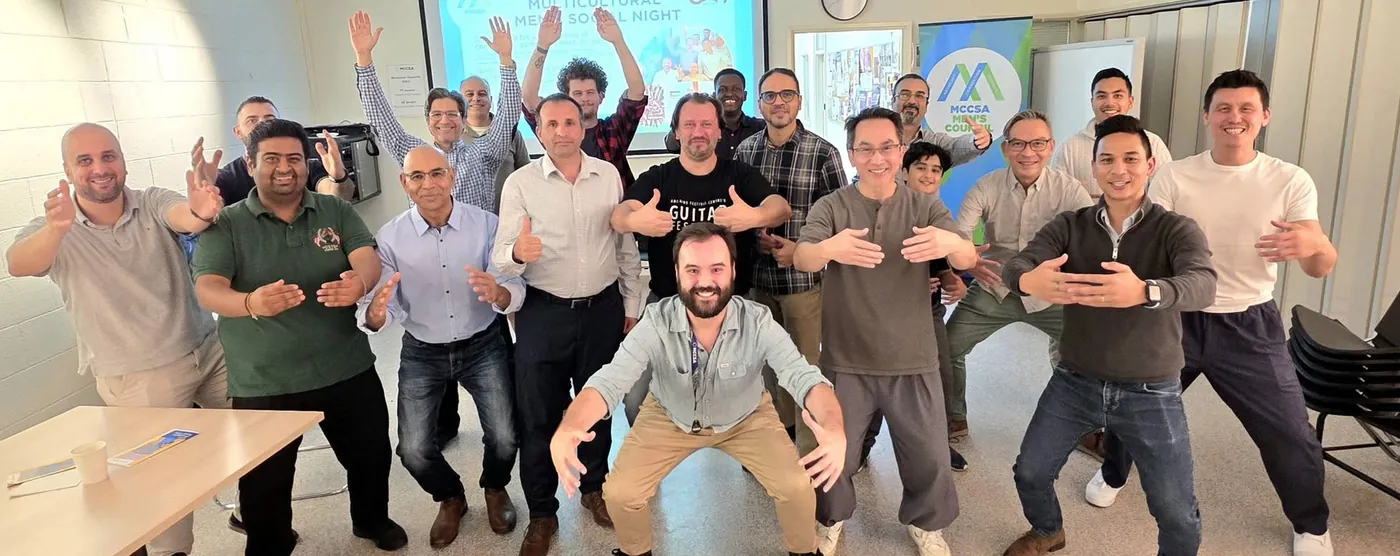
Men’s Mental Health Community Connection Project
This documentary follows a project that brought men together to build connection, talk about mental health and share ways to look after their wellbeing.
We ran the project with our community partners Kabudu Men’s Club, Australians for Syria, the Latin American Society of SA and the Burundian Community.
“This internship didn’t just help me grow professionally. It changed the trajectory of my life.”
“For the first time, I understood how the Australian health system works and where to go when I need help.”
“Because I’m from the community and speak their language, the men trust me, and that trust is what opens the door to talking about health.”
“It’s like a weight has been lifted off my shoulders.”
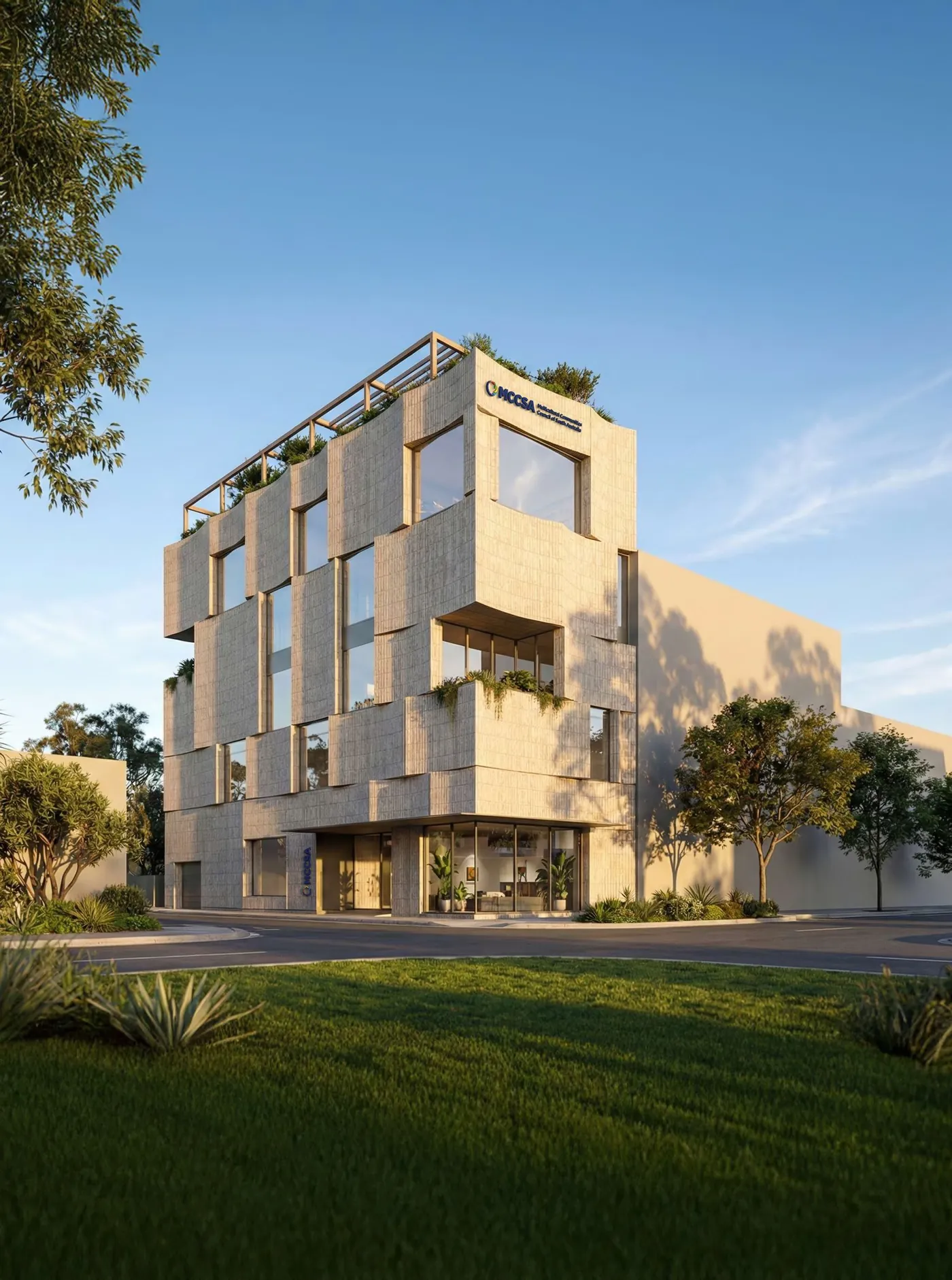
The dream: A new multicultural hub for our communities
We are asking the South Australian and Australian Governments to commit to a purpose-built Multicultural Community Hub.
Our Hub at 113 Gilbert Street gives communities free, accessible and central space. It is heavily used, demand keeps growing and we cannot accommodate every request.
- bookings in 2025–26
- 2,500+
- visits
- 37,500+
- communities
- 58
- hours of community use
- 5,300+
- Shared infrastructure. One well-used asset can support many communities, reduce duplication and give smaller organisations space they could not otherwise afford.
- Independently tested. Analysis by BDO confirmed strong demand for our facilities and identified significant long-term social and economic benefits from an expanded Hub.
- A place to engage. A new Hub would give government, service providers and other organisations a reliable place to work directly with multicultural communities.
To talk with us about the Hub, call 8345 5266 or visit www.mccsa.org.au.
Governance and finances
Revenue
$3,876,847
Expenditure
$3,692,319
Full audited results from HLB Mann Judd are on our website, www.mccsa.org.au.
Our staffNames and roles
- Helena Kyriazopoulos OAM Chief Executive Officer
- Sharyn Mooney Accountant
- Annie Barone Office Coordinator
- Ling Giang Finance Officer
- Julie Hoare Manager
- Vicky Arachi Manager
- Aveen Muhamad Project Officer, ACVVS
- Ayma Acosta Disability Inclusion Connector
- Chinami Klenovsky Disability Inclusion Connector
- George Gouzounis CHSP SSD Coordinator
- Hanaa Grave Coordinator, culturalQ
- Ina Kail Transport Administrator
- Katherine Greer Coordinator, Disability Inclusion Program
- Katie Trinh Principal Strategic Advisor, CALD Health Equity
- Kwol Bol Coordinator, Multicultural Youth Reconnect
- Lena Gasparyan Senior Project Officer
- Lenard Schiancalepore Communications and Project Officer
- Liliana Rojas Community Engagement Practitioner, Kids Hub South
- Luis Cohen Coordinator, ACVVS and Ageing Well
- Maggie Assad Coordinator, ACVVS and Carer Gateway
- Mechell August Disability Inclusion Operations Lead
- Milan Andelkovic ACVVS Officer
- Mohamad Alian Communications Officer, Design
- Omar Ahmad Disability Inclusion Connector
- Perrin Abbas Inclusive Employment Lead
- Samer Madbak Project Officer, ACVVS and Carer Gateway
- Santiago Montanez Project Officer, Health and Wellbeing
- Savry Ouk Community Engagement Practitioner, Kids Hub North
- Sisaleo Philavong Disability Inclusion Coordinator
- Somi Lindsay Coordinator, Community Development
- Stefano Pratola Project Officer, ACVVS
- Ukash Ahmed Coordinator, Programs
- Ulisis Espul Disability Inclusion Connector
- Xiaohui (Abby) Liu Project Officer, Disability Inclusion Connector and Playgroup Coordinator
Thank you
Thank you to our 139 member organisations, our volunteers, and our funders and partners.
Funders
- Alcohol and Drug Foundation
- Australian Government Department of Health, Disability and Ageing
- Australian Government Department of Social Services
- Australian Government Department of the Treasury
- Carers SA
- Department of Human Services
- Department of the Premier and Cabinet
- Ethnic Communities Council of NSW
- Fay Fuller Foundation
- The Hospital Research Foundation Group
- Law Foundation of South Australia
- Mannifera
- Office for Ageing Well
- Preventive Health SA
- SA Water
- Skills SA
- Sonder
- Wake Up To Change
Partners
- 5EBI
- Adelaide Cultural Centre
- Adelaide Hills Council
- Adelaide Nepali Purohit
- Adelaide Primary Health Network
- Adelaide University
- Ageing Australia
- ANFE Community Care
- Armenian Miniature Painting Group
- Asian Community Services
- Association of the Burundians Community of South Australia
- Australia Day Council
- Australian Human Rights Commission
- Australian Lebanese Association
- Australian Refugee Association
- Australian Sikh Support
- Australian Taxation Office
- Bayside City Council (VIC)
- Beit Shalom Synagogue
- Blue Sky Community Services
- Breakthrough Mental Health Research Foundation
- BreastScreen SA
- Buena Amistad
- Cancer Council Australia
- Cancer Council SA
- Catalyst Foundation
- Child and Family Health Service
- City of Charles Sturt
- City of Onkaparinga
- City of Salisbury
- City of Victor Harbor
- Clear Horizon
- COASIT SA
- Commonwealth Bank of Australia
- Co-ordinating Italian Committee
- COTA SA
- Dementia Australia
- Department for Child Protection
- Department for Education
- Department for Infrastructure and Transport
- Diabetes SA
- Disability SA
- Essential Services Commission of SA
- Ethnic Communities Council of NSW
- Ethnic Communities Council of Queensland
- FARDA TV Network
- Federation of Ethnic Communities’ Councils of Australia
- Flinders University
- Freemasons Centre for Male Health and Wellbeing
- Greek Welfare Centre
- Hepatitis SA
- Hindu Vishnu Community
- Hispanic Women’s Association of SA
- Inner Sydney Voice
- Invox
- Iranian Women’s Organisation of SA
- Jewish Community Services
- Korean Art Group
- Kudos Services
- Kurdish Association of South Australia
- Ku-ring-gai Council (NSW)
- KWY Aboriginal Corporation
- La Trobe University
- Latin American Society of South Australia
- Legal Services Commission
- Macarthur Disability Services
- Meals on Wheels NSW
- Men’s Arabic Speaking Association
- Moonee Valley City Council (VIC)
- MOSAIC Adelaide
- Non-Resident Nepali Association Australia
- Palestinian Community Association
- Palliative Care Volunteering SA
- Polish Society Dom Mikołaja Kopernika
- Prima Nota
- Public Libraries SA
- Purple Orange
- Rural City of Murray Bridge
- Russian Women’s Association
- SA Gas Networks
- SA Health
- SA Police
- SA Power Networks
- South Australian Chinese Community Language School
- South Australian Council on Intellectual Disability
- Spanish Club of SA
- SSD Connect Alliance (VIC)
- St Mary & Anba Bishoy Coptic Orthodox Church
- TAFE SA
- Torrens University
- United Indians Association of South Australia
- UnitingCare Wesley Bowden
- Volunteering SA&NT
Our year in photos